Contact
Write to me
If you have a question, an idea, an invitation to speak, or just a few words after reading.
The world is better than they say. I’ll show you.
The world is better than they say. I’ll show you.
It was just before dawn when the rainstorm broke out and left me soaking wet, but it could not ruin my light mood. The memories from the night before could not be eclipsed by such a minor event as rain.
As soon as it stopped, I went to check the fishing net and found a big pacu. What a beautiful farewell gift from Lake Uará! I packed my gear carefully and started paddling towards the river, now with the help of the current, which made the task much easier.
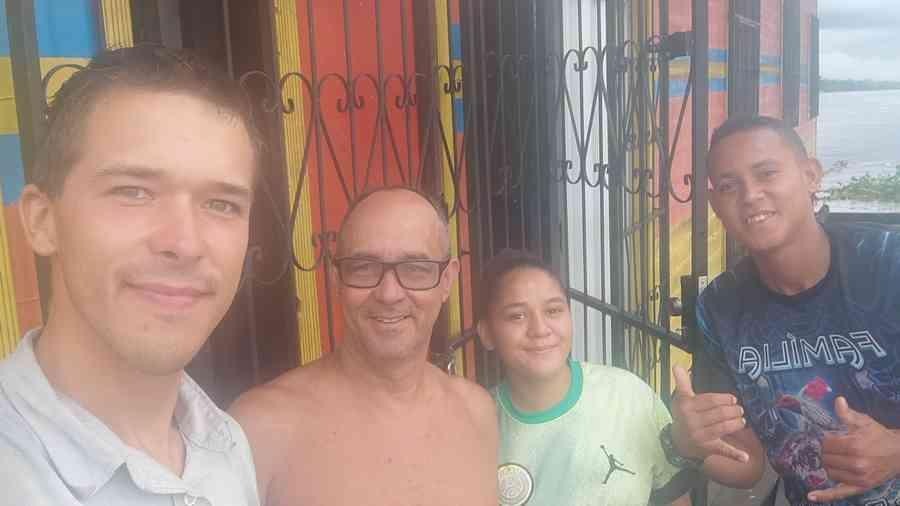
As I led my boat into the Amazon mainstream, I suddenly noticed that some people came out of the house on the bank and waved at me. I waved back. They called me back. I had to try hard to paddle to the bank, and it started to rain again. I docked at the small pier at the house.
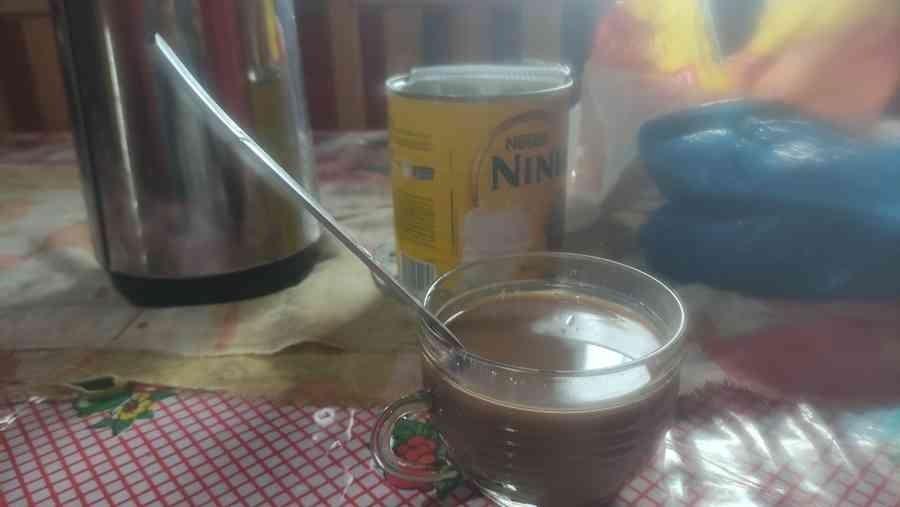
It turned out to be the same family that I had recently met on the lake; they invited me to their place. They poured me some hot coffee, which in such nasty weather was just perfect. Once again, I was enjoying a cozy domestic atmosphere and warm cordiality. It turned out that the family had a whole shop here, where they both traded and lived. I was persuaded to stay, as a heavy downpour was coming on us, but something was pulling me forward. Perhaps it was the desire to complete this journey. There are only 800 kilometres left, and in the depth of my heart I am already thinking of new, no less grandiose plans. Though, of course, there will hardly be anything that can compare with this journey. It is a whole different life.
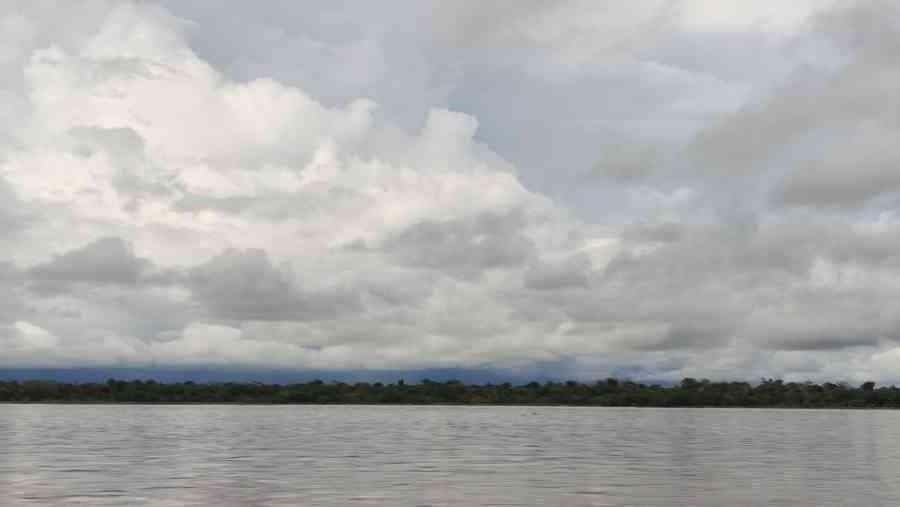
When they realised that I really had to be on my way, I was given some huge bananas and some local tinned food – feijoa, apparently. What a delicacy! With a warm goodbye, I started my race with the rainclouds, and a tailwind assisted me.
I cleaned the paku and threw it in the salted fish container – it was already quite full. I decided to put the head of the fish on a big hook and try once again to catch some fish in the mainstream. There must be fish dwelling there, and this thought has been haunting me for many weeks.
I loaded the tackle, lowered the cord about 4 metres into the water and hooked the cord on one of the wings of my ‘Libertad’. Imagine my surprise when after a couple of hours this wooden wing began to crack with its load! Is that a fish?
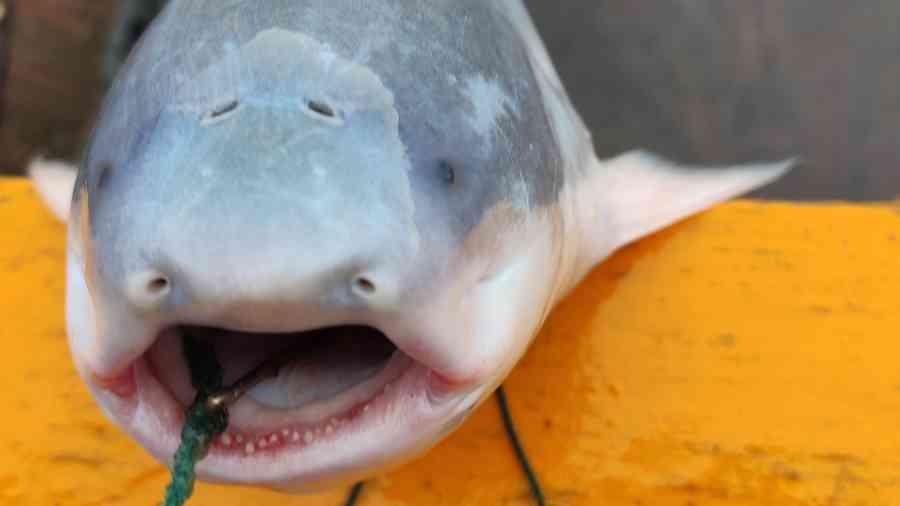
Indeed! I pull and I see a candiru – it is a huge one, a little under half a kilo! It is the very kind fish that the locals do not care for. Jonas’s words come to my mind: “If you die, this is the fish that will eat you.” But that is what any catfish would do, and catfish are considered food here.
From Wikipedia: Cetopsis candiru is a predatory species of whale catfish that dwells in the Amazon basin of Peru, Brazil and Bolivia. A widespread scavenger, it is known for its voracious diet and habit of burrowing into the corpses of dead animals and humans.
The candiru does look frightening. It has eyes like heads of matches – they are barely visible relative to the size of the body – and it has several rows of small teeth, which make the fish resemble a small shark. Its body is covered with sticky slime. Despite the huge hook and sinker in the bait, the fish is trying to swallow the paku head deeper and deeper, ignoring me altogether. What a glutton! This gluttony is going to cost it dearly.
I open the fish’s belly, expecting to see worms swarming inside. And what do I see? It is full of fat, and the layers of meat are bigger than any piranha has on it! There is not a single maggot, not a single worm. There is no hint of them.
As a precaution, I remove all the skin from the candiru, then remove the fins, carefully slice the fillet and meticulously incise it so that it could salt well.
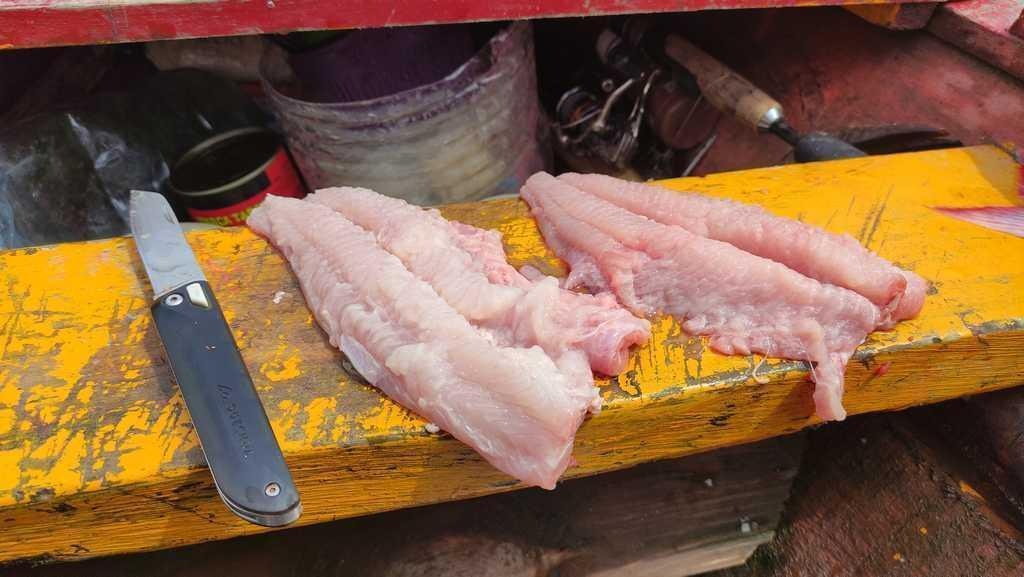
Fantastic! I caught it after all. Indeed, the head of a paku is not some boring piece of banana – that was how I tried to catch fish on the stream in the first days; I laugh at the fact whenever it comes to mind. I will check with the locals whether candiru is poisonous, but I doubt it as I have heard that some people do eat it; usually poor people do.
I put the head of the candiru on another hook and start setting up poles for trolling (it is a method of fishing on the move, usually from a boat with a motor). Now I have a convenient place to set my tackle up. And here comes the bite! Again!
I pull the fish to the surface (it got caught on the tackle that went deep, 6-7 metres under water), but it lets go. Meanwhile, I take the shallow tackle with a paku head and start twitching it. The fish that escaped sees it and approaches it! It makes a throw at the bait, and I am not in a hurry to pull it out. I feel the tackle twitching in my hand. The fish swallows the hook, I pull it out – and there is another big fish on board.
I find a few parasitic larvae and hatchlings in the layers of meat. I decide that this is nothing a lot of salt could not handle. I clean everything out, even the inner layer of meat (because that is where the larvae usually are) and remove the fillet. This time, I gut the fish in a much neater way. I sprinkle salt on the meat liberally. Done. If it goes on like this, nutrition will be completely removed from the agenda of current issues. If I am hungry, I will just wait for my deeply salted supplies to be ready for use.
I had a sort of foam party on the boat, cleaning all the fish blood and mucus out. I want to forget the feeling of disgust at the recent sight of the parasites. It is a relief when everything is clean, and it is more hygienic this way. I do not know what is living in those fish, so I do not want it on the surfaces.
I have almost run out of water – I have barely 1.5 litres left, but rolls of thunder have followed me all day, so I think the problem will solve itself soon.
I open the tin that I was given so it would not go to waste. This extra tin of preserved feijoa will be my way of celebrating a very successful day. Why would I eat it now instead of saving it for later? There is quite a story behind it. I will never forget the tin of venison stew presented to me by a hunter in Siberia, which I carried with me for half of the long trip and kept it as a precious souvenir until it rotted inside the tin. It was an important lesson for me, and since then I try to use my available resources in good time.
An hour before sunset the storm reached me. At that moment, I was on one of the banks that was not suitable for stealthy anchorage, so I had to take up the oars.
I paddled across the river until I felt nauseous. The rain and wind were getting worse by the minute, and I had to take off the tent to keep it from sailing in the wind so hard. I was soaked through, except for my torso covered with my jacket. It had saved my lungs from hypothermia more than once, for which I am forever grateful to Decathlon.
I set the fishing net right under the bank, as some locals do and dragged the boat into the flooded forest – it is possible as it is not so deep here. Now I am sitting under the tent, and there is steam rising from my body. Its heat is already drying my things off. My internal warmth generator is working.
Oh, I almost forgot. When I rushed to the bank in the rain, there were several strong nibbles right in the middle of the river! They were probably just some more candiru. No, I should not disregard this fish – it is still a predator, strong and confident, one should not belittle it like that. Many kinds of fish have worms, especially common river bream, but people still eat it. And I am going to eat the candiru. Hopefully, without any unpleasant consequences.
***
I woke up to the rumble of a barge motor passing just off the bank. I clung to the sides of the boat. My heart was racing. I never know what kind of wave I am going to get with these boats. That is the worst part! It depends on the kind of engine, the depth at the spot and a whole bunch of other factors.
I was woken up in the middle of the night by incoming waves more than once. It is Friday, a busy day on the river, so it cannot be helped. No, I cannot really get used to it, but it is part of my life on the water, too.
9 June, ~59 (2414) km covered.


